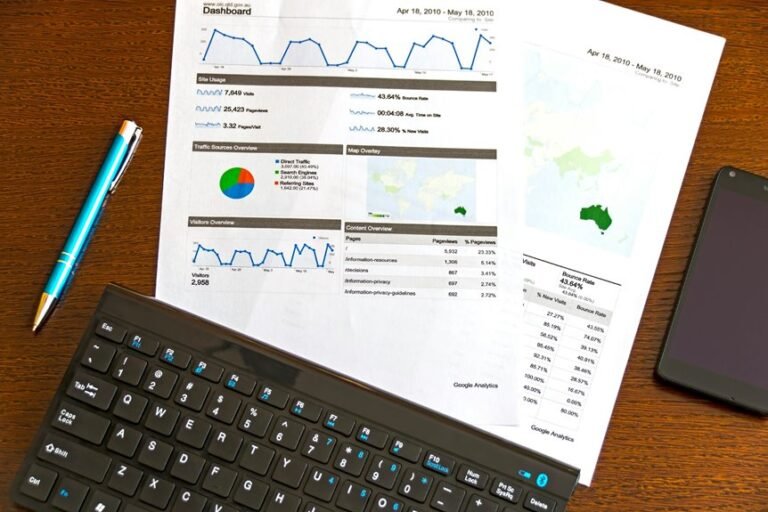
Incoming Call Report: 3528355302, 3529557275, 3603469219, 3603469239, 3603469258, 3605487723
The incoming call report for numbers 3528355302, 3529557275, 3603469219, 3603469239, 3603469258, and 3605487723 presents a complex landscape of communication trends. Each number exhibits distinct patterns in call frequency, revealing differing levels of outreach and potential intent. Some numbers show persistent calling behaviors, while others raise flags for possible spam or fraudulent activities. Understanding these nuances is critical for effective call management and ensuring communication security. What strategies can users implement to navigate this intricate environment?
Overview of Incoming Numbers
The analysis of incoming numbers reveals critical patterns and trends essential for understanding call traffic dynamics.
Call identification processes facilitate the categorization of calls, while number verification ensures the authenticity of the source.
By meticulously examining these aspects, stakeholders can enhance operational efficiency, optimize resource allocation, and safeguard against fraudulent activities.
Ultimately, such insights empower users to maintain control over their communication environments.
Analysis of Call Patterns
How do call patterns influence overall communication strategies?
Analyzing call frequency and caller identification reveals trends that inform decision-making. High call frequency from specific numbers may indicate persistent outreach or engagement, while variations in caller identification can signal demographic shifts or changes in interest.
Understanding these patterns enables organizations to refine communication approaches, ensuring they resonate with their intended audience and enhance connection.
Tips for Managing Unknown Calls
Managing unknown calls presents a unique challenge within the broader context of communication strategies.
To enhance personal freedom, individuals should utilize call-blocking features to block unwanted calls and minimize disruptions.
Additionally, employing applications that help identify spam numbers can significantly reduce the likelihood of engaging with potential scams.
This proactive approach fosters a more secure communication environment, allowing users to maintain control over their interactions.
Conclusion
In conclusion, the analysis of incoming call patterns from the reported numbers reveals a complex landscape of communication dynamics. The fluctuations in call frequency may be likened to a Morse code transmission, signaling varying levels of urgency and intent. Users equipped with effective call identification tools can navigate this intricate web, proactively managing potential spam or fraud. By adopting a strategic approach, individuals can ensure their communication channels remain secure and efficient in an increasingly interconnected world.