Planning and Building a Residential Swimming Pool
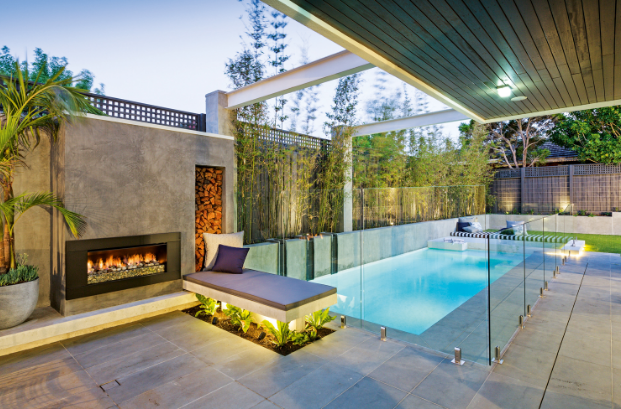
Adding a swimming pool to a home is both a construction project and a lifestyle decision. A pool reshapes how outdoor space is used, how families gather, and how daily routines feel during warmer months. Beyond visual appeal, a pool introduces structural, environmental, and practical considerations that require careful planning. From early design discussions to the first time water fills the shell, each stage affects how the pool will function and endure. Understanding the process behind pool creation helps homeowners approach the project with realistic expectations and informed confidence. When thoughtfully executed, a pool becomes more than a feature; it becomes a lasting part of the home’s rhythm and identity.
From Planning to Completion
Evaluating Space, Soil, and Surroundings
The foundation of any successful pool project begins with evaluating the physical space where it will live. Contractors assess yard dimensions, slope, and how the pool will relate to the house, landscaping, and existing structures. Soil composition plays a critical role, as different ground types affect excavation methods and structural support. Drainage patterns are also examined to ensure water does not collect around the pool or compromise nearby foundations. Sun exposure, privacy, and access points influence placement decisions that affect comfort and usability. These early evaluations help shape a design that fits naturally into the property rather than feeling imposed. By aligning the pool’s footprint with environmental conditions, the project gains stability and visual balance from the outset.
Design Choices and Structural Planning
Once the site is understood, design planning turns ideas into workable dimensions and forms. Shape, depth variation, and entry points are considered in relation to how the pool will be used, whether for relaxation, exercise, or social gatherings. Structural planning ensures these design choices translate into a durable build that accounts for water pressure and long-term wear. During this phase, pool installation is coordinated with engineering details, including reinforcement, plumbing routes, and equipment placement. The goal is to integrate aesthetics with structure so the pool performs reliably without compromising its appearance. Careful design planning reduces the likelihood of changes later, keeping construction smoother and more predictable.
Permits, Codes, and Ground Preparation
Before construction begins, permits and local requirements must be addressed. Regulations often govern setback distances, fencing, and safety features, all of which influence final layout. Contractors handle these approvals while preparing the site for excavation. Ground preparation includes marking utilities, securing equipment access, and protecting nearby features. Excavation itself is a precise operation, removing soil to exact depths and contours defined by the design. Any miscalculation at this stage can affect structural integrity or water balance later. Proper preparation ensures that the pool shell rests on stable ground and aligns accurately with planned dimensions, setting the stage for a controlled and efficient build.
Construction Phases and On-Site Coordination
The construction phase brings multiple trades together, requiring coordination and timing. After excavation, structural frameworks are installed, followed by plumbing and electrical systems that support circulation and lighting. Concrete or other shell materials are then applied to form the pool’s body. Each step depends on the accuracy of the previous one, making sequencing essential. Weather conditions, curing times, and inspections influence the pace of progress. Clear communication between crews helps maintain consistency and reduces delays. This phase transforms plans into a physical structure, with attention to detail, ensuring that the pool’s form and function align with the original vision.
Finishes, Equipment, and Initial Operation
With the shell complete, attention shifts to finishes and operational systems. Interior surfaces are applied to create the pool’s final look and texture, while coping and decking define its edges and surrounding space. Filtration, heating, and circulation equipment are installed and tested to ensure reliable performance. Initial water filling allows for system checks and fine adjustments. Balancing water chemistry at this stage supports surface longevity and user comfort. This final construction phase connects aesthetics with function, preparing the pool for regular use. Thoughtful finishing choices and proper system setup contribute to a smooth transition from construction site to active living space.
See also: The Evolving Appeal of High-End Apartment Living
Long-Term Use and Ongoing Performance
After completion, the pool becomes part of daily life and requires consistent care to maintain its performance and appearance. Understanding how systems operate helps homeowners distinguish normal behavior from early signs of issues. Regular monitoring of water balance, equipment function, and surrounding surfaces helps preserve the investment. Landscaping around the pool also matures over time, affecting shade, debris, and overall atmosphere. Long-term performance depends on how well the pool was planned and built, as well as how it is maintained. When design, construction, and care align, the pool continues to enhance outdoor living year after year.
A swimming pool project is a layered process that blends planning, construction, and long-term consideration. Each phase, from site evaluation to ongoing care, shapes how the pool functions and feels within the home. Thoughtful design and careful execution support durability, comfort, and visual harmony. By understanding the journey behind pool creation, homeowners can engage more confidently in the process and make choices that suit their space and lifestyle. A well-planned pool becomes a lasting feature that supports relaxation, connection, and enjoyment across many seasons.