How does AC Repair Improve Energy Efficiency During Hot Weather?
As temperatures climb during peak summer months, air conditioning systems become one of the most energy-demanding components in a home or commercial space. Many people assume that rising electricity bills are simply part of hot weather, but the condition of the cooling system plays a much larger role than outdoor temperature alone. An air conditioner that is not functioning properly often works harder than necessary, consuming more electricity while delivering less comfort. Addressing minor mechanical and airflow issues through timely repairs can significantly reduce wasted energy, stabilize indoor temperatures, and reduce strain on the system and the power grid during prolonged heat.
How Repairs Support Cooling Performance
Air conditioning systems rely on precise mechanical balance to cool efficiently, and even minor faults can disrupt that balance during hot weather. When components such as fans, belts, or electrical connections wear down, the system compensates by running longer cycles to reach the desired temperature. This extended runtime increases electricity consumption and raises indoor humidity, making spaces feel warmer despite continuous operation. Repairs restore proper airflow and heat exchange, allowing the unit to cool air more effectively in shorter cycles. When cooling performance improves, the system no longer needs to exceed its intended workload, reducing energy use and helping maintain consistent indoor comfort throughout the hottest parts of the day.
Fixing Refrigerant and Airflow Issues
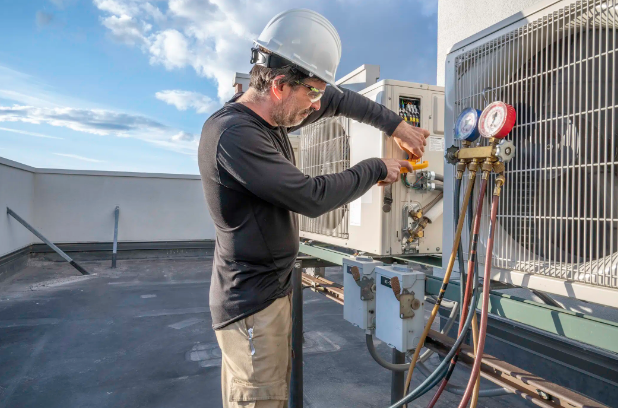
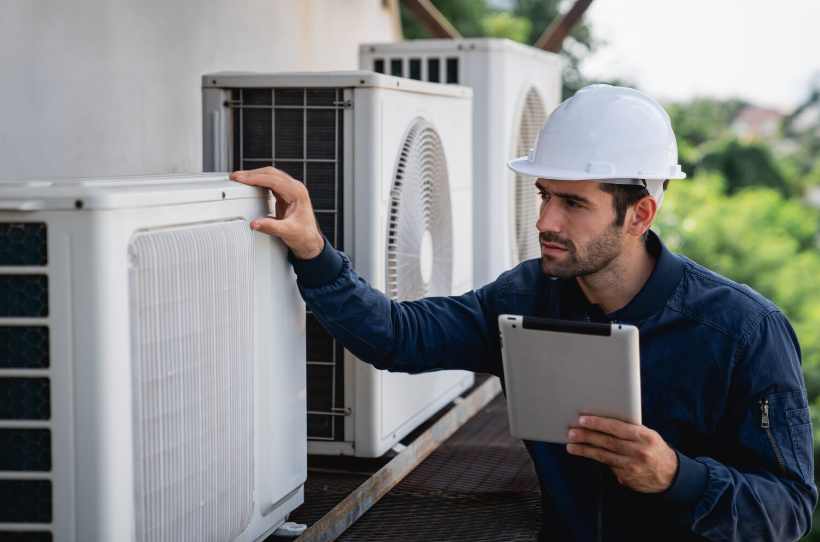
One of the most common causes of poor energy efficiency in summer is improper refrigerant levels combined with restricted airflow. Low refrigerant forces the compressor to work harder, increasing electrical demand and causing uneven cooling across rooms. At the same time, clogged filters, damaged ducts, or misaligned blower components limit the efficiency with which cooled air circulates through the space. Addressing these issues through professional attention restores the system’s ability to absorb and release heat, reducing unnecessary energy loss efficiently. A properly serviced unit, such as through AC repair by Price Heating & Air Conditioning, can return airflow and refrigerant balance to optimal conditions, allowing the system to cool faster while drawing less power during extreme heat.
Mechanical Adjustments and Energy Control
Mechanical wear is often overlooked as a contributor to high summer energy bills, yet it plays a major role in an air conditioner’s efficiency. Loose electrical connections, worn motors, or misaligned fan blades create resistance within the system, forcing it to consume more electricity to perform the same task. During hot weather, when cooling demand is constant, this inefficiency becomes even more pronounced. Repairing or tightening mechanical components reduces internal friction and electrical strain, allowing the system to operate smoothly. With these adjustments in place, the air conditioner can respond more accurately to thermostat signals, avoid unnecessary cycling, and maintain comfort levels without excessive energy consumption.
Reducing Heat Stress on the System
Extreme outdoor temperatures place additional stress on air conditioning systems, especially those already dealing with unresolved issues. When parts are damaged or dirty, the system struggles to release heat outdoors, causing internal temperatures to rise. This heat buildup forces the compressor to operate longer and harder, increasing energy use and the risk of breakdowns. Repairs that address coil cleanliness, fan operation, and heat exchange efficiency help the system shed heat more effectively. By reducing internal heat stress, the unit can cool indoor spaces with less effort, lowering electricity demand while also extending the lifespan of critical components during prolonged heatwaves.
Consistent Thermostat Response
A well-maintained air conditioning system responds more accurately to thermostat settings, directly improving energy efficiency in hot weather. Faulty sensors or worn electrical components can cause the unit to misread indoor temperatures, leading to excessive cycling or continuous operation. This behavior wastes energy and creates uneven cooling throughout the building. Repairs that restore sensor accuracy and electrical stability allow the system to start and stop at appropriate intervals. As a result, the air conditioner maintains the desired temperature without overshooting or running unnecessarily. Consistent thermostat response ensures that energy is used only when cooling is truly needed, reducing strain on the system and lowering utility costs during peak summer usage.
Why Timely Repairs Matter
Delaying air conditioning repairs during hot weather often compounds efficiency problems. Small faults that seem manageable early in the season can escalate as the system operates under constant demand. Each unresolved issue adds to energy waste, leading to higher bills and increasing the likelihood of major failures when cooling is most critical. Timely repairs prevent these problems from stacking up, keeping the system operating within its intended efficiency range. By addressing issues as soon as they appear, homeowners and property managers can avoid excessive energy consumption, maintain indoor comfort, and ensure reliable performance throughout the hottest months without unnecessary electrical strain.
See also: How does Flooding Impact Walls, Floors, and Foundations?
Long-Term Efficiency Benefits
Improving energy efficiency through air conditioning repair offers benefits that extend beyond a single summer season. When systems operate efficiently during hot weather, they experience less wear and tear, reducing the likelihood of costly replacements and frequent service calls. Lower energy consumption also supports more stable household or building energy planning, making it easier to manage expenses during periods of high electricity demand. Over time, a well-maintained and properly repaired air conditioner delivers consistent cooling with lower power consumption, balancing comfort and efficiency. These long-term advantages highlight how proactive repair contributes to both immediate energy savings and sustained system performance year after year.