Budgeting for a Roof Replacement With Langford Roofing
We will explore the key considerations homeowners should address when planning a roof replacement. Roof replacement is a significant investment that requires careful financial planning to avoid unexpected expenses and ensure quality results. Proper budgeting not only helps manage costs but also provides peace of mind throughout the project. Homeowners often struggle to estimate total costs due to factors such as material selection, labor costs, and roof size. Understanding these components and planning ahead allows for a smoother process and prevents delays caused by financial constraints. By approaching roof replacement with a clear budget strategy, homeowners can make informed decisions while maintaining their homes’ durability and functionality.
Planning Your Roof Replacement Budget
Understanding the total cost of a roof replacement begins with breaking down all associated expenses. The first factor to consider is the type of materials you intend to use. Asphalt shingles, metal roofing, slate, and tile each have distinct price ranges and lifespans. Asphalt shingles are generally more affordable and widely used, while materials like slate or metal may have higher upfront costs but offer longevity. Beyond materials, labor costs are another significant component. Hiring a reliable roofing company, such as Langford Roofing ensures proper installation but also contributes to the overall budget. It is essential to obtain detailed quotes from contractors that cover not only installation but also the removal of existing roofing, disposal fees, and any underlying repairs that may arise during the project.
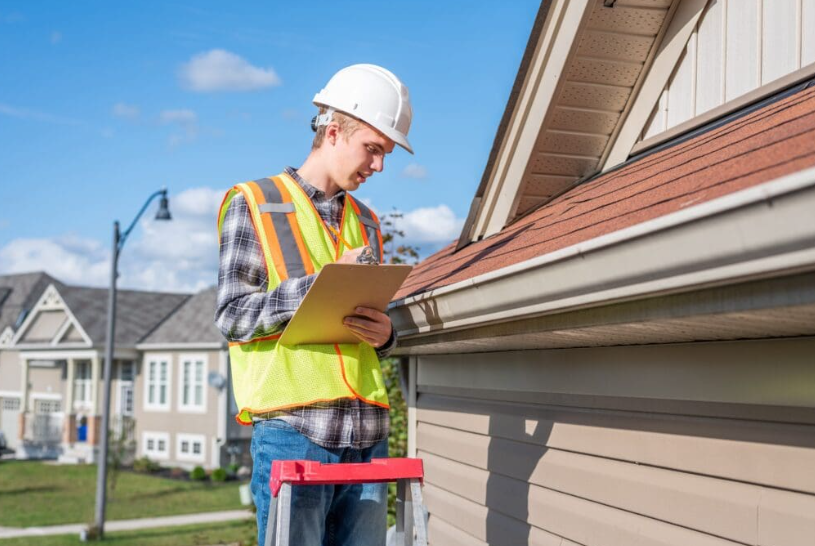
Roof size and complexity also play a critical role in budgeting. Larger homes or those with multiple roof angles and steep slopes may require additional labor and materials, which increases costs. Similarly, the condition of the existing roof can influence pricing. A roof with extensive damage, rot, or structural issues may require underlayment reinforcement or replacement, which can increase the total cost. Preparing for these variables by inspecting the roof and consulting a roofing contractor helps ensure homeowners allocate sufficient funds to cover unforeseen issues. Opting for a roof replacement by Langford Roofing provides professional guidance throughout this process, ensuring that potential challenges are addressed and the project proceeds without interruption.
Material Selection and Long-Term Considerations
Choosing the right roofing materials is crucial not only for aesthetics but also for long-term savings. While it can be tempting to select the cheapest option, considering durability and maintenance needs often yields better financial outcomes. For instance, metal roofing may have a higher initial cost but can last decades with minimal upkeep, while asphalt shingles may require replacement sooner, leading to recurring expenses. Weather conditions in the region also affect material performance. Selecting materials that withstand local climate conditions, such as heavy rainfall, snow, or strong winds, helps ensure the roof remains reliable and reduces the risk of costly future repairs.
Energy efficiency is another factor to consider in material selection. Certain roofing materials reflect heat and improve insulation, potentially lowering heating and cooling costs. Investing in energy-efficient materials may increase upfront costs but yields financial benefits over time through lower utility bills. Additionally, some materials may qualify for tax credits or incentives depending on local regulations. Evaluating these factors when planning the budget ensures homeowners account not only for installation costs but also for the long-term financial benefits of the roof replacement.
See also: How Mobile Repair Services Are Changing Vehicle Maintenance?
Contingency Planning for Unexpected Costs
No roof replacement project is entirely free from surprises. Hidden damage, such as water infiltration, mold growth, or weakened structural components, may not become apparent until the old roofing is removed. Homeowners should allocate a contingency fund, typically 10 to 20 percent of the total budget, to cover these unexpected issues. This approach prevents halting the project due to insufficient funds and enables timely repairs that maintain the roof’s integrity. Communicating openly with contractors about potential risks and required inspections helps ensure both parties are prepared for any surprises that may arise during installation.
Proper scheduling also contributes to financial efficiency. Delays caused by inclement weather or contractor availability can extend project timelines and increase labor costs. Planning the replacement during favorable weather conditions and confirming contractor schedules in advance helps minimize delays and keeps expenses within the planned budget. Additionally, reviewing warranties and service agreements with the roofing company ensures that any future issues are covered at no additional cost, providing further financial security for homeowners.
Planning and budgeting for a roof replacement are complex but manageable when approached with careful consideration. From material selection and labor costs to contingency planning and financing, every aspect of the project influences the total expenditure. Understanding these factors allows homeowners to make informed decisions and avoid unexpected financial burdens. Partnering with a reliable roofing company ensures installation is handled professionally and that pricing and services are transparent. By prioritizing both short-term costs and long-term benefits, homeowners can achieve a durable, visually appealing roof that enhances their home’s value and safety. A well-structured budget not only facilitates smooth completion but also provides confidence and peace of mind throughout the roof replacement journey.