Estimating Costs for Temporary Waste Container Services
Temporary waste container services are a common need for home renovations, construction sites, large cleanouts and community events. Estimating the cost ahead of time helps organizers avoid surprises on the invoice and choose the right provider for the job. While headline prices can look straightforward, a handful of variables determine the final bill. Understanding those variables and how they interact will let you compare quotes intelligently, budget accurately, and reduce unnecessary charges.
Understanding Pricing Components
Providers usually break charges into several line items: the container rental itself, transportation and delivery, disposal or tipping fees, and any additional services like overage charges, recycling separation, or permit coordination. The rental covers the time you keep the container, often billed per day or per week. Transportation includes drop-off and pick-up and varies with distance and fuel costs. Disposal fees are charged by the landfill or processing facility and are typically calculated by weight, sometimes applied as a pass-through on your invoice. Miscellaneous fees can include special handling for hazardous or bulky items, fees for extended rental periods, or charges for late pickups.
Size, Duration and Frequency
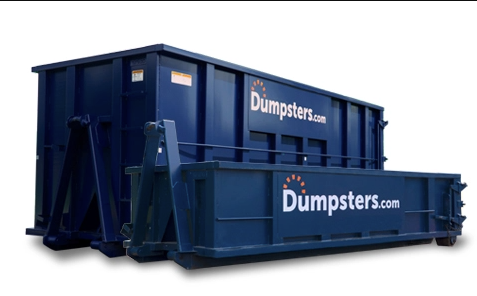
Container size directly affects price. Smaller dumpsters cost less to rent but may require more frequent exchanges if you are handling a large volume of material. Larger roll-off containers cost more up front but can be more efficient for a single, bulky project. Rental duration is another lever: short-term rentals for a few days are priced differently than multi-week arrangements. Projects that require multiple deliveries or recurring pickups, such as ongoing renovations or commercial waste management, will generally qualify for volume discounts or negotiated rates. When planning, match container size and frequency to your expected waste stream to avoid paying for unused capacity or incurring multiple delivery fees.
Location, Permits and Accessibility
Where you place the container matters. Driveway or street placement might be free in some areas but often requires a permit from the local municipality. Permit costs and the time to secure them should be part of your estimate. Accessibility influences labor and equipment needs: tight alleys, steep driveways, or fragile surfaces can add to the cost because drivers may need to use specialized equipment or take extra precautions to avoid property damage. If placement requires protection for landscaping or temporary roadway reinforcement, expect an additional line item.
Material Type and Disposal Rules
Not all waste is treated equally. Common construction debris, household trash, and recyclable materials are usually straightforward, but materials like asbestos, lead-based paint debris, pressurized tanks, certain paints and solvents, and contaminated soil require special handling and may be prohibited from standard containers. If your project has mixed waste, separating recyclables and hazardous items can reduce disposal costs. Some haulers offer sorting services or route loads to recycling centers, which can lower landfill tipping fees and sometimes earn credits for recovered materials. Discuss anticipated waste types with vendors to make sure quotes reflect the true disposition route for your materials.
How Quotes Are Structured and What to Ask
When you request quotes, ask for a clear breakdown: container size and model, rental period, delivery and pickup fees, per-ton or per-yard disposal rates, maximum weight included, and charges for exceeding limits. Confirm whether taxes and permit assistance are included. Insist on written estimates that specify handling for prohibited items and cancellation or rescheduling policies. Some companies quote a flat rate meant to be all-inclusive, while others itemize. A flat rate can be convenient but may hide high disposal fees. Itemized quotes make comparison easier, because you can isolate the major cost drivers.
Regional Pricing and Timing
Local market conditions influence price. Areas with limited landfill capacity or high labor costs will show higher disposal fees. Timing affects availability and rates as well: spring and summer are peak seasons for renovations and construction, and demand spikes can lead to higher rates or limited delivery windows. If your schedule is flexible, booking during off-peak months or arranging longer lead times may secure better pricing. When comparing vendors, be sure to compare apples to apples: identical container sizes, rental windows, and disposal terms.
See also: Business Phone 8667930872 Help Desk
Ways to Save and Get Accurate Estimates
To minimize costs, plan waste reduction strategies before ordering a container. Diverting recyclables, donating usable items, and scheduling a compacting or baling service for materials that compress well can reduce volume and weight. Opting for a slightly larger container to avoid multiple deliveries is often cheaper than several smaller rentals. A clear list of prohibited or high-cost items shared upfront will prevent last-minute redisposals. When possible, get multiple written quotes and ask providers to explain assumptions. Some haulers will perform a site inspection and provide a more accurate estimate. If you expect ongoing waste generation, negotiate a volume-based contract for recurring pickups.
Final Considerations
Estimating costs for temporary waste container services is about balancing size, duration, material type, and local regulations. A well-written scope of work and clear communication with providers reduces ambiguity and protects you from surprise charges. Remember to verify that chosen vendors are licensed and insured, and check references or reviews for reliability. Accurate estimates depend on the details you provide: the more precise your project description, the closer the quote will be to the final bill. If you need a quick check on regional pricing trends, compare several local bids and focus on the disposal rate and included weight allowance rather than a low headline rental fee. For many projects, a modest investment in upfront planning will pay off in lower total cost and less administrative hassle during and after the job. When you’re ready to solicit bids, be sure to highlight any special handling needs so quotes reflect true costs, not assumptions. If you want to research pricing quickly, start by searching for dumpster rental costs in your area and use those numbers to calibrate vendor responses.