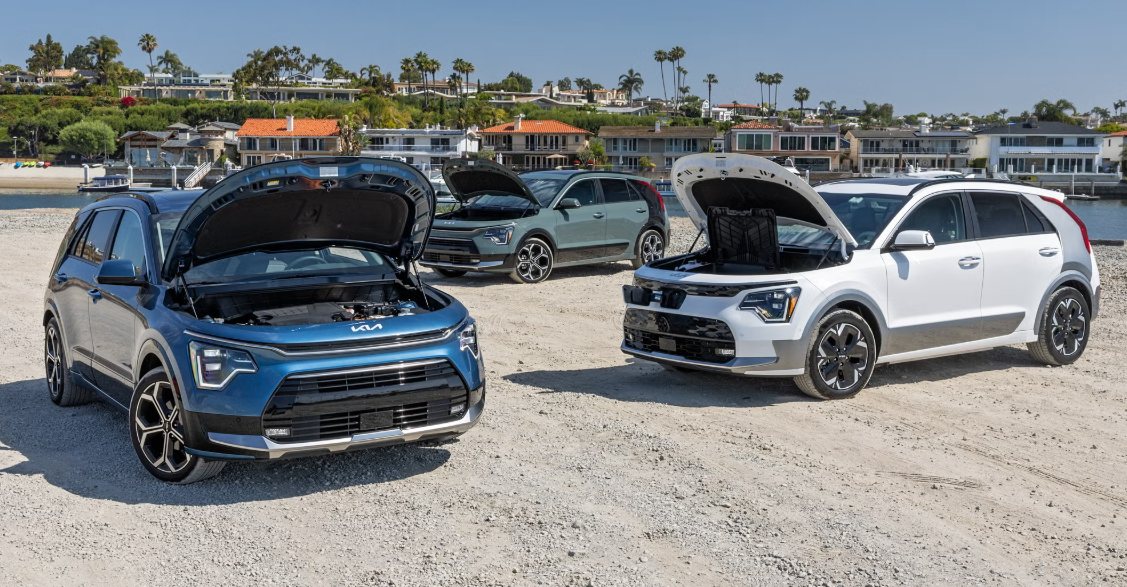
Electric Cars vs. Hybrid Cars: What’s the Difference?
The automotive landscape has evolved significantly with the introduction of electric and hybrid cars. Each type offers distinct advantages and challenges, appealing to different consumer needs. Electric cars promise zero emissions and lower operating costs, while hybrids provide a balance of fuel efficiency and traditional performance. Understanding these differences is crucial for potential buyers. What factors should one consider when choosing between these two options? The implications extend beyond personal preference, influencing environmental impact and driving experience.
Understanding Electric Cars
As the shift towards sustainable transportation gains momentum, understanding electric cars becomes increasingly essential.
Central to this understanding are advancements in battery technology, which enhance range and efficiency. Additionally, robust charging infrastructure is crucial for widespread adoption, providing drivers freedom from range anxiety.
Together, these elements empower consumers to embrace electric vehicles, fostering a cleaner, more sustainable future while redefining personal mobility.
See also: Data Privacy in the Age of AI
Exploring Hybrid Cars
While many consumers are drawn to fully electric vehicles, hybrid cars present a compelling alternative that combines the benefits of both traditional gasoline engines and electric powertrains.
By leveraging advanced hybrid technology, these vehicles enhance fuel efficiency, allowing drivers to enjoy longer journeys without the anxiety of recharging.
This blend of power sources offers a versatile solution for those seeking both performance and sustainability.
Key Differences Between Electric and Hybrid Cars
Understanding the key differences between electric and hybrid cars is essential for consumers navigating the increasingly diverse automotive market.
Electric cars rely solely on advanced battery technology for propulsion, offering zero emissions and lower operating costs.
In contrast, hybrid cars combine traditional internal combustion engines with electric systems, enhancing fuel efficiency while reducing dependency on fossil fuels, thus providing a versatile driving experience.
Which Option Is Right for You?
Deciding between an electric car and a hybrid car can be a daunting task for many consumers.
Cost considerations often play a crucial role, as electric vehicles may require higher upfront investment but offer lower operating costs.
Additionally, the environmental impact of each option varies, with electric cars generally providing greater emissions reduction.
Ultimately, personal driving habits and lifestyle will influence the best choice for freedom-loving individuals.
Conclusion
In the debate between electric and hybrid cars, consumers must weigh their priorities carefully. While electric vehicles offer a cleaner, emission-free ride, hybrids present a balanced approach, marrying convenience with sustainability. Ultimately, the choice hinges on individual needs and lifestyle considerations—whether one prefers to embrace a fully electric future or straddle the line between traditional and innovative. As they say, “the ball is in your court,” and the decision will shape not only personal driving experiences but also contribute to broader environmental impacts.