How a Cooking Chair for Elderly Prevents Falls and Keeps Seniors Independent in the Kitchen
For many older adults, the kitchen is more than just a place to prepare meals. It represents independence, routine, and the comfort of continuing daily life on their own terms. Cooking favorite dishes, making tea in the morning, or preparing a family recipe can be deeply meaningful activities that help seniors maintain a sense of purpose and control. However, as people age, physical changes such as reduced balance, joint pain, fatigue, and muscle weakness can turn a simple cooking task into a potentially risky activity.
One of the most common concerns for elderly individuals and their families is the risk of falling in the kitchen. Slippery floors, prolonged standing, reaching for items, and fatigue can increase the likelihood of accidents. Even a minor fall can lead to serious injuries that affect mobility and independence.
A cooking chair for elderly individuals offers a practical and thoughtful solution to this challenge. Designed to provide stability, comfort, and support, this simple piece of equipment can significantly reduce fall risks while allowing seniors to continue cooking safely. By offering a secure place to sit while performing kitchen tasks, a cooking chair helps older adults maintain independence and confidence in their daily routines.
Understanding how this supportive tool works and why it matters can help families create a safer and more empowering environment for aging loved ones.
Why the Kitchen Can Be Risky for Seniors
The kitchen is often one of the most active areas of a home, but it can also present several hidden dangers for older adults. Many cooking tasks require standing for extended periods, moving between counters and appliances, bending down to reach cabinets, and handling hot cookware. For seniors experiencing balance issues or reduced strength, these actions can increase the likelihood of losing stability.
Fatigue is another major factor. Standing while chopping vegetables, stirring pots, or washing dishes can strain the legs and lower back. As fatigue builds, balance becomes more difficult to maintain, and reaction times may slow. Even a brief moment of dizziness or muscle weakness can lead to a fall.
Age-related conditions such as arthritis, osteoporosis, and reduced joint flexibility can also affect mobility. When combined with common kitchen hazards like wet floors or cluttered walkways, the risk of injury becomes even greater.
These challenges do not mean seniors must stop cooking. Instead, thoughtful adjustments—like introducing a cooking chair for elderly individuals—can transform the kitchen into a safer, more accessible space.
What Is a Cooking Chair for Elderly Individuals?
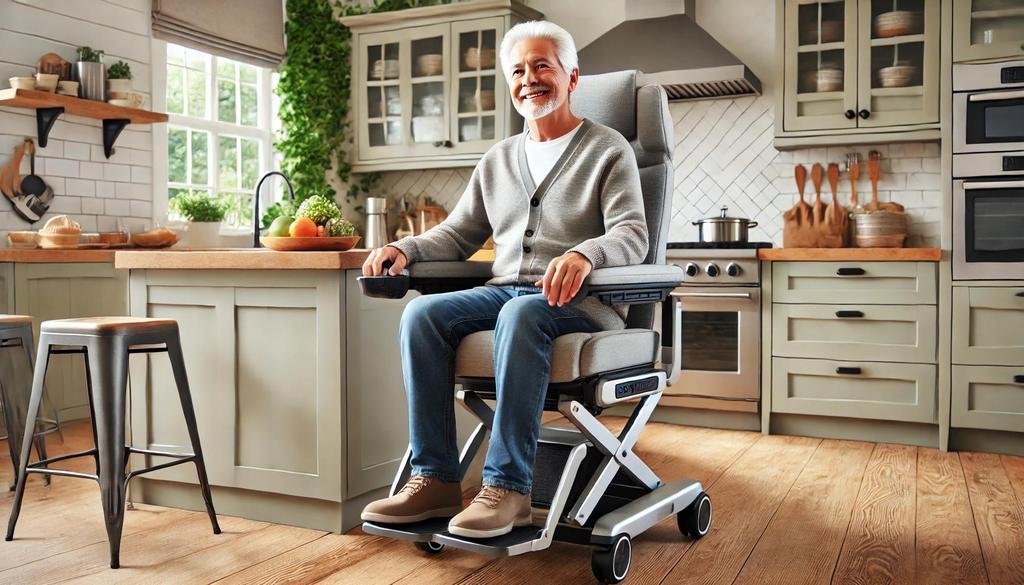
A cooking chair for elderly users is a specially designed seating option that allows seniors to perform kitchen tasks while sitting comfortably and safely. Unlike standard chairs, these chairs are built with features that provide stability, support, and ease of movement.
The height is typically adjusted to align with kitchen counters, allowing users to reach work surfaces without straining. Many designs include sturdy frames, non-slip legs, and supportive backrests that promote good posture during cooking activities.
Some models also include features such as armrests, footrests, or wheels with locking mechanisms. These elements make it easier for seniors to position themselves safely at the counter, move around the kitchen when necessary, and stand up with added support.
The overall goal is not to replace movement but to reduce unnecessary strain and risk while cooking.
How a Cooking Chair Helps Prevent Falls
Falls often occur when seniors experience fatigue, lose balance, or attempt to shift their weight quickly. By providing a secure place to sit, a cooking chair significantly reduces these risks.
Sitting while preparing ingredients or stirring food removes the need to stand for long periods. This helps conserve energy and reduces the likelihood of muscle fatigue. When the body is less tired, balance and coordination remain stronger.
A stable chair also eliminates the need for seniors to lean against counters or appliances for support. Leaning can be dangerous if surfaces are slippery or if objects shift unexpectedly. A well-designed cooking chair provides consistent support that does not move or wobble.
In addition, the presence of a dedicated seat encourages safer cooking habits. Instead of rushing through tasks or skipping breaks due to discomfort, seniors can comfortably pace themselves. This relaxed approach lowers stress on the body and allows for more controlled, careful movements.
Supporting Independence and Confidence
Maintaining independence is one of the most important aspects of healthy aging. When older adults feel capable of completing everyday activities on their own, their sense of dignity and emotional well-being often improves.
A cooking chair for elderly individuals supports this independence by removing physical barriers that might otherwise prevent them from cooking. Instead of relying on assistance for meal preparation, seniors can continue preparing food in a safe and manageable way.
This independence also contributes to mental health. Cooking can be a deeply satisfying activity that stimulates memory, creativity, and routine. Being able to continue these familiar habits can reduce feelings of frustration or dependency.
Family members also gain peace of mind knowing that their loved ones have a safer environment in which to cook. Rather than worrying about potential falls, they can feel confident that proper support is in place.
Improving Comfort During Meal Preparation
Comfort is an important but often overlooked factor in kitchen safety. When seniors are uncomfortable or in pain, they may rush tasks or adopt awkward positions that increase the risk of accidents.
A cooking chair allows individuals to sit in a natural and relaxed posture while working at the counter. This helps reduce strain on the knees, hips, and lower back. For seniors with arthritis or chronic joint pain, this difference can make cooking far more manageable.
The ability to rest while preparing meals also encourages longer and more enjoyable cooking sessions. Instead of feeling exhausted halfway through a recipe, seniors can complete tasks at a comfortable pace.
Over time, this improved comfort can lead to healthier eating habits as well. When cooking feels easier and safer, older adults may be more motivated to prepare nutritious meals instead of relying on convenience foods.
Creating a Safer Kitchen Environment
While a cooking chair for elderly individuals provides valuable support, it works best when combined with other thoughtful kitchen safety measures. Small adjustments can further reduce risks and create an environment that promotes independence.
Ensuring that floors remain dry and free from clutter is essential. Adequate lighting helps seniors see clearly when preparing food or moving around the kitchen. Organizing frequently used items within easy reach also minimizes the need for stretching or bending.
When these elements are combined with the stability of a cooking chair, the kitchen becomes a much safer and more accessible space.
Families who take a proactive approach to safety often find that seniors are able to remain independent in their homes for longer periods.
Choosing the Right Cooking Chair
Selecting the right cooking chair involves considering both safety and comfort. The chair should provide strong support and remain stable during use. A well-built frame and non-slip feet help ensure that the chair stays firmly in place.
The seat height should allow the user to reach the countertop comfortably while sitting upright. Proper alignment reduces strain on the shoulders and back.
Back support is another important feature. A supportive backrest encourages good posture and helps prevent fatigue during longer cooking sessions.
Armrests can also be helpful for seniors who need additional support when sitting down or standing up. These features provide leverage and stability that make transitions easier.
By choosing a chair that fits the user’s needs and kitchen layout, families can create a safer and more comfortable cooking experience.
Read Also: TesiLab: The Modern Solution for Fast, Eco-Friendly Thesis Printing and Binding in Germany
Encouraging Active Aging Through Safe Cooking
Remaining active is an essential part of healthy aging. Daily activities like cooking help seniors stay mentally engaged and physically active.
A cooking chair for elderly individuals supports this lifestyle by allowing them to continue participating in meaningful household tasks. Rather than avoiding the kitchen due to fear of falling, seniors can remain involved in meal preparation and family routines.
This sense of involvement strengthens emotional well-being and promotes confidence. When older adults feel capable and supported, they are more likely to maintain other healthy habits as well.
Encouraging safe independence can have a lasting positive impact on both physical and mental health.
Frequently Asked Questions
What is a cooking chair for elderly individuals?
A cooking chair for elderly individuals is a specially designed chair that allows seniors to sit safely while preparing food in the kitchen. It typically features a stable frame, supportive backrest, and a height that aligns with kitchen counters.
How does a cooking chair help prevent falls?
By allowing seniors to sit during food preparation, a cooking chair reduces fatigue and balance issues that often lead to falls. It also provides stable support, eliminating the need to lean on counters or appliances.
Can seniors still cook independently with a cooking chair?
Yes. A cooking chair is designed to support independence by allowing seniors to safely complete many kitchen tasks while seated. This helps them maintain daily routines without unnecessary risk.
Is a cooking chair suitable for small kitchens?
Many cooking chairs are designed to fit comfortably in compact spaces. Choosing a model with a slim profile or locking wheels can make it easier to move and position within smaller kitchens.
Who benefits most from using a cooking chair?
Older adults who experience balance issues, fatigue while standing, joint pain, or reduced mobility often benefit the most. However, any senior who wants additional stability in the kitchen can find it helpful.
Conclusion
A safe home environment plays a crucial role in supporting healthy and independent aging. For many seniors, the kitchen is a central part of daily life, filled with familiar routines and meaningful activities. However, the physical challenges that come with aging can turn simple cooking tasks into potential safety risks.
A cooking chair for elderly individuals offers a practical and effective solution. By providing a stable and comfortable place to sit while preparing meals, it reduces fatigue, improves balance, and significantly lowers the risk of falls. At the same time, it allows seniors to maintain the independence and confidence that come from continuing to cook for themselves and their families.
When combined with thoughtful kitchen organization and safety practices, a cooking chair can transform the cooking experience into something both safe and enjoyable. It empowers older adults to stay active, engaged, and self-reliant while preserving the simple pleasures of everyday life.
Ultimately, small changes in the home can make a profound difference. A supportive tool like a cooking chair not only prevents accidents but also helps protect the independence, dignity, and well-being of seniors for years to come.