Understanding the Process of Professional Teeth Cleaning
Professional teeth cleaning is a routine dental procedure that plays a key role in maintaining oral health and preventing long-term dental concerns. While daily brushing and flossing are essential, they are not always sufficient to remove hardened plaque and buildup that accumulate over time. Teeth cleaning performed in a clinical setting focuses on areas that are difficult to reach at home and helps maintain healthy gums, fresh breath, and strong enamel. Understanding how this process works can reduce anxiety and help patients appreciate the rationale for regular cleanings. From the initial examination to polishing and aftercare guidance, each stage serves a clear purpose in supporting long-term oral hygiene.
What the Cleaning Process Involves
Initial Oral Examination and Assessment
A professional teeth cleaning typically begins with a detailed oral examination. Dental professionals use small instruments and visual inspection to assess the condition of the teeth, gums, and surrounding tissues. This step helps identify plaque buildup, tartar accumulation, gum inflammation, or early signs of dental issues. X-rays may be reviewed if available to provide a clearer picture of areas below the gumline. This assessment allows the cleaning process to be tailored to individual needs rather than following a one-size approach. For patients visiting a Chatswood dental clinic, this initial evaluation ensures that the cleaning addresses both surface-level concerns and deeper areas that may require additional attention. By starting with a thorough assessment, dental professionals can proceed safely and effectively.
Scaling to Remove Plaque and Tartar
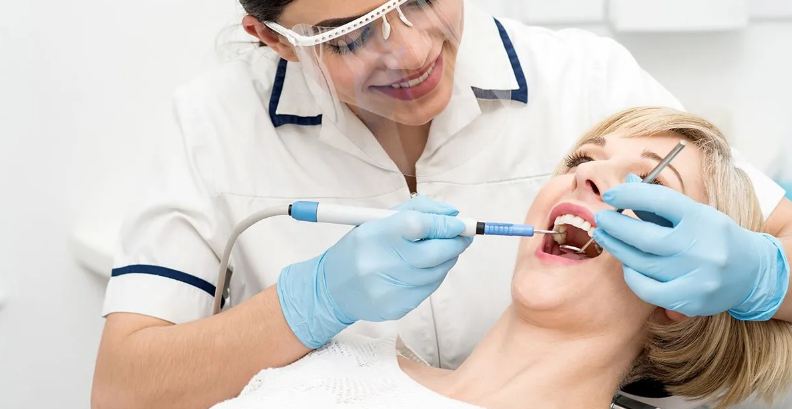
Scaling is one of the most important stages of professional teeth cleaning. During this process, dental instruments or ultrasonic devices are used to remove plaque and tartar from tooth surfaces and along the gingival margin. Tartar, which forms when plaque hardens, cannot be removed with regular brushing and requires professional care. Scaling helps reduce gum irritation and lowers the risk of periodontal disease by removing plaque and bacterial deposits. The sensation may feel unfamiliar, but it is a controlled and methodical process designed to protect the teeth and gums. Removing this buildup allows the gums to reattach more comfortably to the teeth, supporting overall oral health and reducing inflammation over time.
Focused Care for Gum Health
Gum health is central to professional teeth cleaning, as many dental concerns originate at the gumline. During cleaning, dental professionals pay close attention to the interdental spaces between the teeth and gums, where bacteria often accumulate. These areas can become inflamed if plaque is not removed regularly. Cleaning these pockets helps reduce swelling and bleeding while promoting healthier gum tissue. Patients with sensitive gums may receive gentler techniques or additional guidance on home care. This focus on gum health supports long-term tooth stability and comfort, as healthy gums provide essential support for the teeth.
By removing hardened tartar that regular brushing cannot reach, professional cleanings prevent the onset of periodontal disease. According to this dentist who does quality dental implants in Orinda CA, this proactive maintenance ensures your smile remains firm and functional, protecting the underlying bone structure from potential infection.
Polishing and Surface Smoothing
After scaling is complete, polishing is performed to smooth the tooth surfaces. A rotating brush and polishing paste are used to remove surface stains caused by food, drinks, or daily habits. Polishing does not remove enamel; rather, it creates a cleaner surface that is less likely to attract plaque. This step leaves the teeth feeling smooth and refreshed. The polishing paste often has a mild flavor, contributing to a clean sensation after the appointment. By smoothing the enamel surface, polishing supports easier daily cleaning and helps maintain the results of the professional cleaning for a longer period.
Flossing and Final Debris Removal
Professional flossing is another essential part of the cleaning process. Even patients who floss regularly at home benefit from this step, as it ensures that any remaining debris between teeth is removed. Dental floss is carefully guided between teeth to clear areas that brushing and scaling may have missed. This step also allows dental professionals to assess the ease with which floss passes between teeth and whether gum sensitivity is present. Proper flossing helps prevent plaque from reforming in tight spaces and supports overall cleanliness. This final debris removal contributes to a thorough and complete cleaning outcome.
See also: Dallas Heat vs Your Car Battery: Signs It’s Time for a Replacement
Optional Fluoride Application
In some cases, a fluoride treatment may be offered after cleaning. Fluoride helps strengthen tooth enamel and provides added protection against cavities. It is applied as a gel, foam, or varnish and left on the teeth for a short period. While not mandatory for all patients, fluoride can be beneficial for those at higher risk of dental caries or enamel wear. This step supports the teeth’s natural defenses and complements the cleaning process. Dental professionals may discuss whether fluoride application is suitable based on individual oral health needs.
Post-Cleaning Guidance and Oral Care Advice
After the cleaning is complete, patients typically receive guidance on maintaining oral hygiene at home. This may include brushing techniques, flossing tips, or recommendations for oral care products. Dental professionals may also identify areas requiring additional attention during daily routines. This guidance helps patients maintain the benefits of professional cleaning and reduce plaque buildup between visits. Understanding how to care for teeth after cleaning empowers patients to take an active role in their oral health.
Frequency and Long-Term Benefits of Cleanings
Regular professional teeth cleanings support long-term oral health by preventing plaque buildup and reducing the risk of gum disease and tooth decay. Most patients are advised to schedule cleanings at regular intervals based on their oral health status. Consistent oral hygiene helps maintain gum health, preserve enamel, and support fresh breath. Over time, this routine care contributes to overall comfort and confidence. Understanding the value of regular cleanings helps patients view them as a proactive step rather than a reactive measure.
Professional teeth cleaning is a structured, purposeful process intended to promote oral health. From the initial examination to scaling, polishing, and aftercare guidance, each step plays an important role in maintaining oral hygiene. Regular cleanings help remove buildup that daily brushing cannot address and provide an opportunity to monitor oral health over time. By understanding how professional teeth cleaning works, patients can approach appointments with greater confidence and appreciation for their benefits. Consistent care, combined with good home habits, supports long-lasting oral health and comfort.