Gutter Guard Options Explained: Protecting Your Home with Lane House Roofing & Exteriors
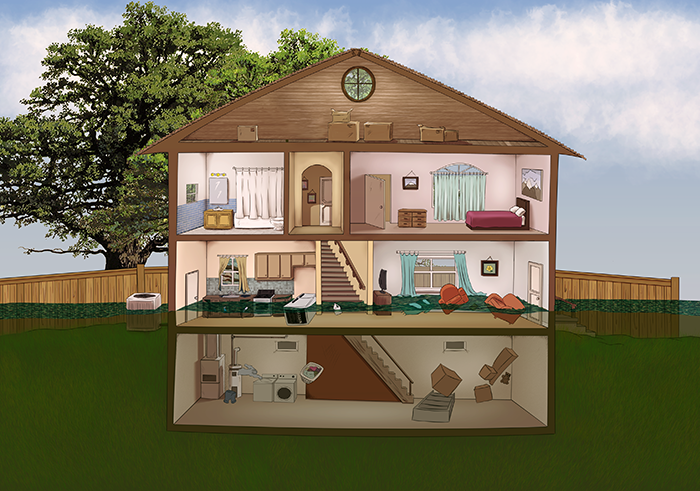
A well-functioning gutter system plays a critical role in protecting a home from water damage, foundation erosion, and exterior deterioration. Gutters are designed to channel rainwater safely away from the structure, but when they become clogged with leaves, debris, or sediment, their effectiveness is significantly reduced. Over time, this can lead to roof edge rot, basement moisture issues, landscape washout, and costly repairs. Homeowners often underestimate how quickly debris accumulation can compromise drainage performance, especially in regions with seasonal storms or mature trees. We will explore how gutter guards help address these challenges by improving water flow, reducing maintenance requirements, and extending the lifespan of the entire gutter system. Understanding the available options allows homeowners to make informed decisions that align with their roof design, local weather patterns, and long-term property protection goals.
Understanding Gutter Guard Solutions and Their Purpose
Gutter guards are protective systems installed over or within existing gutters to prevent debris from entering while still allowing rainwater to flow through efficiently. Their primary purpose is to reduce clogging, minimize cleaning frequency, and support consistent drainage performance throughout the year. Different designs achieve this goal using various materials, filtration methods, and installation approaches. Some guards act as physical barriers that block larger debris, while others use fine filtration to capture smaller particles, such as pine needles or roof grit.
The right solution depends on factors such as roof pitch, gutter size, surrounding foliage, and rainfall intensity, which is why many homeowners look to St. Louis roofing services by Lane House Roofing & Exteriors for guidance that aligns gutter protection with overall roof performance. A well-matched gutter guard can help maintain steady water movement even during heavy storms, reducing the risk of overflow that can damage siding or foundations. Beyond functional benefits, gutter guards also enhance safety by reducing the need for frequent ladder use. Over time, they support a more reliable exterior drainage system that complements the roof and fascia, creating a more resilient home envelope.
Mesh and Screen Gutter Guards for Balanced Protection
Mesh and screen gutter guards are among the most commonly used options due to their balance between debris control and water flow. These systems feature perforated metal or durable synthetic screens that sit over the gutter opening, allowing rainwater to pass through while blocking leaves, twigs, and larger particles. Their simple design makes them adaptable to many roof types and climates. Mesh guards are particularly effective in areas with deciduous trees that shed large volumes of leaves seasonally. They are typically lightweight, corrosion-resistant, and designed to integrate with existing gutter systems without extensive modification.
While they reduce the accumulation of larger debris, periodic surface cleaning may still be required to remove fine sediment buildup. However, this maintenance is far less intensive than clearing clogged gutters by hand. When installed correctly, mesh and screen guards support consistent drainage performance and help prevent overflow during moderate to heavy rainfall, making them a practical option for many residential properties.
Reverse Curve Gutter Guards and Water Flow Control
Reverse curve gutter guards use surface tension to guide rainwater into the gutter while directing debris to slide off the edge. These systems feature a curved cover that fits over the gutter, allowing water to adhere to the surface and flow inward as leaves and debris fall away. This design is particularly effective in managing heavy rainfall when installed with precise alignment and pitch. Reverse curve guards are often constructed from aluminum or similar materials that resist weather-related wear.
Their smooth surface reduces the likelihood of debris accumulation, which can be beneficial in environments with frequent storms. However, proper installation is critical to ensure optimal performance, as incorrect angles can cause water to overshoot the gutter. When integrated into a comprehensive exterior solution, reverse curve systems can enhance water management efficiency and reduce long-term maintenance requirements. They are often selected for homes seeking a streamlined appearance combined with functional drainage support.
See also: How does Flooding Impact Walls, Floors, and Foundations?
Foam and Brush Gutter Guards for Internal Filtration
Foam and brush gutter guards are installed directly inside the gutter channel, functioning as internal filters rather than surface covers. Foam inserts are made from porous materials that allow water to pass through while blocking debris, whereas brush guards use dense bristles to catch leaves and prevent buildup. These options appeal to homeowners seeking straightforward installation and immediate results. Foam guards are lightweight and easy to fit, making them suitable for quick upgrades, while brush guards are durable and adaptable to various gutter sizes.
Both options reduce the risk of large debris blockages, but they may require occasional removal and cleaning to maintain performance. Over time, fine particles can accumulate within the filter material, potentially reducing water flow if not maintained. Despite this, internal gutter guards provide an accessible entry point into debris management and can serve as part of a broader gutter protection strategy when paired with regular inspections.
Gutter guards play a vital role in safeguarding a home against water-related damage by improving drainage efficiency and reducing debris accumulation. From mesh screens and reverse curve designs to internal foam and brush systems, each option offers distinct advantages depending on environmental conditions and maintenance preferences. When paired with professional assessment and thoughtful installation, gutter guards become an integral component of a resilient exterior system. By working with experienced providers, homeowners can implement gutter protection strategies that support roof performance, preserve structural integrity, and promote lasting peace of mind.