Why Small Home Repairs Save You Thousands Over Time
A $12 tube of caulk versus a $4,000 water damage claim. That’s the real math behind home maintenance, and most homeowners don’t run it until it’s too late.
Here’s the deal: your house isn’t falling apart because of one big disaster. It’s falling apart because of twenty small things you walked past every day. A dripping faucet you meant to call someone about in March. A soft spot near the back door you noticed in June. A shutter that’s been half-hanging since last fall. Individually, none of these feel urgent. Together, they’re a slow leak in your equity.
The good news is that turning this around doesn’t require a renovation budget. It requires a habit. You start by treating small repairs as regular maintenance, the same way you’d treat an oil change. If you live in a mid-sized town where contractors book out weeks ahead, having a reliable handyman greenwood on speed dial beats waiting three weeks for a specialist to fix something that took an hour. That’s the whole strategy in one sentence: catch it small, fix it fast, and never let a cheap problem become an expensive one.
The Real Cost of Waiting
Deferred maintenance compounds. Not in a vague, hand-wavy way, but in a literal dollars-and-cents way that shows up in your bank account and your stress levels.
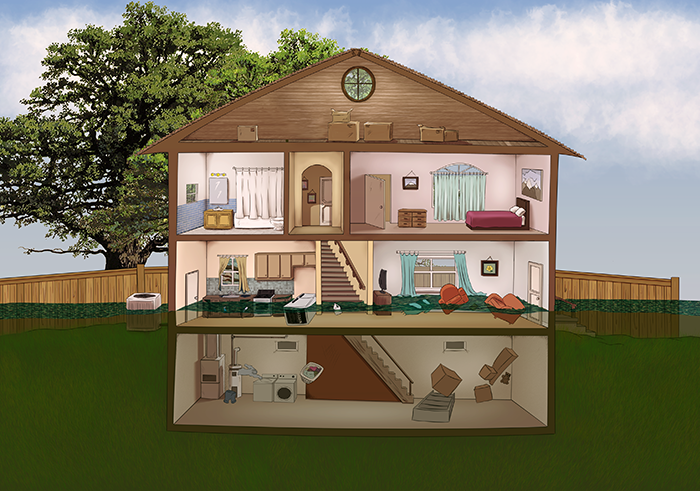
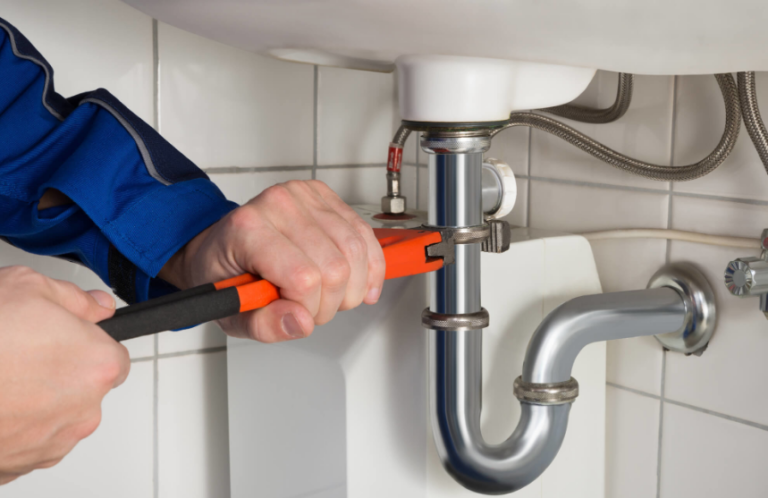
Take a slow drip under a bathroom sink. The washer costs almost nothing. But water seeps into the cabinet base, then the subfloor, then the ceiling of the room below it. Now you’re paying for a plumber, a drywall repair, and possibly a mold remediation crew. The repair you skipped in month one becomes a project that swallows a weekend and a chunk of savings by month eight.
The same pattern repeats everywhere:
- Roof flashing: a small sealant fix versus a full deck replacement after rot sets in.
- Exterior paint: a touch-up versus siding replacement once moisture gets behind the boards.
- Gutter clogs: an afternoon of clearing versus foundation cracks from water pooling at the base.
- Grout and caulk: a reseal versus tile replacement once water works its way behind the wall.
According to the U.S. Census Bureau, owner-occupied homes make up the majority of the nation’s housing stock, and much of that housing is decades old. Older homes need more attention, not less. Ignoring them isn’t neutral. It’s a decision with a price tag attached.
Why DIY Sometimes Costs More Than Hiring
I’m a big believer in DIY for the right jobs. Painting a fence? Go for it. Swapping a light fixture? Sure, if you’ve cut the breaker. But there’s a category of repair where DIY quietly becomes the most expensive option on the table.
Water and electricity don’t forgive mistakes. A slightly crooked shelf is a cosmetic issue. A slightly loose plumbing connection is a slow disaster behind a wall you can’t see. And electrical work done wrong isn’t just risky, it can void your insurance coverage if a fire traces back to amateur wiring.
The smarter question isn’t “can I do this myself?” It’s “what’s the cost of getting this wrong?” For anything touching water lines, gas, structural elements, or your electrical panel, the answer is usually “more than I want to find out.” For everything else, the honest answer is that a good handyman will often finish in an hour what would take you a full Saturday and three hardware store trips.
A Simple Seasonal Checklist You Can Actually Stick To
Here’s the framework I use. I call it the Four Corners Check, and it takes about twenty minutes per season. You walk the perimeter of your home and check one corner of each system: water, wood, weather, and wiring.
| System | What You’re Looking For | Fix Timeline |
|---|---|---|
| Water | Drips, stains under sinks, running toilets, wet spots near the water heater | Same week |
| Wood | Soft spots, bubbling paint, sagging trim, sticking doors | Within the month |
| Weather | Worn caulk around windows, cracked flashing, clogged gutters | Before the season turns |
| Wiring | Flickering lights, warm outlets, tripping breakers | Immediately |
Run it in spring and fall. That’s it. Two walks around your home per year will surface more problems than any emergency repair bill ever will.
What Home Maintenance Actually Protects
Your home is probably the largest asset you own. Homeowners across the country spend real money keeping that asset intact, and the Environmental Protection Agency notes that indoor air quality, moisture control, and building durability are all tied together, meaning a small moisture problem is rarely just a moisture problem.
Moisture feeds mold. Mold affects air quality. Poor air quality affects how livable your home is. And livability affects resale value. So a $200 fix today protects a $400,000 asset over a decade. That’s the trade you’re making every time you call someone instead of hoping the problem goes away.
Sealing air leaks matters too, and the ENERGY STAR program points out that proper sealing and insulation reduce energy waste. That’s a repair that pays you back every month on your utility bill. Small fixes, compounding returns. It’s the same logic as the water damage example, just working in your favor instead of against you.
Building the Call-Someone Habit
The biggest barrier isn’t money. It’s the mental overhead of finding someone reliable, scheduling them, and trusting them in your home. That friction is why so many people wait until a problem is undeniable.
Here’s how to remove it. Pick one trusted provider before you need them. Get them out for a small job first, something low-stakes like hanging a TV or replacing a faucet cartridge. Watch how they work. Ask what they’d check if they owned the house. That first small job is really an audition, and it tells you whether you’ve found someone worth keeping.
Then build a rhythm. Schedule a seasonal walkthrough and let them handle whatever the checklist surfaces. You stop making judgment calls on repairs you don’t understand, and you stop losing weekends to jobs that were never your strong suit.
One more thing worth saying plainly: the goal isn’t to fix everything the moment it breaks. It’s to know what’s broken. A soft spot you’ve identified and scheduled is a plan. A soft spot you’ve ignored for a year is a surprise, and surprises in home repair are never cheap.
The Bottom Line
Small repairs aren’t glamorous. Nobody brags about re-caulking a window. But the homeowners who stay ahead of their maintenance list are the ones who never get blindsided by a five-figure repair, and their homes hold value because of it.
So start with one thing this week. Walk your home, find the smallest problem you’ve been avoiding, and get it handled. Your future self, standing in a dry basement with a healthy savings account, will thank you for it.
What’s the one repair you’ve been walking past for months? That’s your starting point.