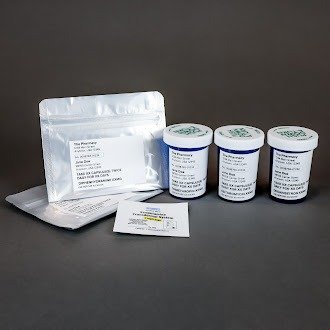
Ivermectin 3mg Tablet: Dosage Guidelines and Safety Considerations
Ivermectin is a well-established medication that has been used worldwide for the treatment of specific parasitic infections. Available in various strengths, including the ivermectin 3mg tablet, this medication has helped healthcare professionals manage conditions caused by parasites that affect the skin, intestines, and other parts of the body. While ivermectin has a long history of medical use, understanding proper dosage guidelines and safety considerations is essential for achieving the best outcomes and minimizing potential risks.
This article provides an overview of Ivermectin 3mg tablets, including how they are used, factors that influence dosing, and important safety information patients should know before taking the medication.
What Is Ivermectin 3mg Tablet?
Ivermectin belongs to a class of medications known as antiparasitic agents. It works by targeting and disrupting the nervous system of certain parasites, leading to their elimination from the body. Healthcare providers commonly prescribe ivermectin for conditions such as intestinal strongyloidiasis and onchocerciasis, depending on local treatment guidelines and individual patient needs.
The 3mg tablet strength allows healthcare providers to calculate and administer appropriate doses based on a patient’s weight and medical condition. In many cases, multiple tablets may be required to achieve the prescribed dosage.
See also: Gaming Durostech: Overview and Updates
Why Proper Dosage Matters
Like any medication, ivermectin must be taken according to a healthcare provider’s instructions. The correct dosage helps ensure the medication effectively treats the targeted infection while reducing the likelihood of side effects or treatment failure.
Several factors influence the appropriate dosage, including:
- Body weight
- Type of parasitic infection being treated
- Patient age
- Overall health status
- Liver function
- Other medications being taken
Because these factors vary from person to person, patients should never adjust their dosage without professional medical guidance.
General Dosage Guidelines
Ivermectin dosing is commonly based on body weight. Healthcare providers calculate the required amount using established medical guidelines specific to the condition being treated.
For many parasitic infections, ivermectin is administered as a single oral dose. However, some conditions may require repeated doses or follow-up treatment depending on the severity of the infection and the patient’s response.
Patients should remember that:
- Dosage recommendations differ between medical conditions.
- The number of 3mg tablets prescribed depends on body weight.
- Treatment schedules vary depending on the diagnosis.
- Follow-up evaluations may be necessary to confirm treatment success.
Only a qualified healthcare professional can determine the most appropriate treatment plan.
How to Take Ivermectin 3mg Tablet
Following administration instructions is an important part of treatment success. Healthcare providers often recommend taking ivermectin on an empty stomach with water unless specific instructions indicate otherwise.
Patients should:
- Follow the prescribed dosing schedule carefully.
- Take the medication exactly as directed.
- Avoid skipping doses if multiple treatments are required.
- Inform their healthcare provider if they miss a scheduled dose.
- Complete any recommended follow-up testing.
Proper adherence helps maximize the medication’s effectiveness and supports successful treatment outcomes.
Potential Side Effects
Most medications can cause side effects, and ivermectin is no exception. However, many individuals tolerate the medication well when used appropriately under medical supervision.
Some commonly reported side effects may include:
- Dizziness
- Nausea
- Diarrhea
- Fatigue
- Headache
- Mild skin reactions
In some cases, side effects may occur as the body responds to dying parasites rather than the medication itself. Patients experiencing persistent or worsening symptoms should contact their healthcare provider for further evaluation.
Important Safety Considerations
Safety should always be a priority when taking any prescription medication. Before starting ivermectin therapy, patients should discuss their complete medical history with their healthcare provider.
Inform Your Healthcare Provider About Existing Conditions
Certain health conditions may affect treatment decisions. Patients should mention:
- Liver disease
- Kidney problems
- Immune system disorders
- Neurological conditions
- Previous reactions to medications
This information helps healthcare professionals determine whether ivermectin is appropriate and whether additional monitoring may be necessary.
Discuss Other Medications
Drug interactions can influence the safety and effectiveness of treatment. Patients should provide a complete list of:
- Prescription medications
- Over-the-counter products
- Vitamins
- Herbal supplements
Healthcare providers can evaluate potential interactions and make adjustments if needed.
Pregnancy and Breastfeeding Considerations
Individuals who are pregnant, planning to become pregnant, or breastfeeding should consult their healthcare provider before using ivermectin. Treatment decisions should be based on a careful evaluation of potential benefits and risks.
Patients should never start or stop medication during pregnancy without professional medical advice.
Avoid Self-Medication
One of the most important safety considerations is avoiding self-medication. Ivermectin should only be used for approved medical purposes under the supervision of a qualified healthcare professional.
Taking ivermectin without a confirmed diagnosis can result in:
- Inappropriate treatment
- Delayed medical care
- Increased risk of side effects
- Potential medication interactions
Obtaining a proper diagnosis ensures patients receive the most suitable treatment for their condition.
Recognizing When to Seek Medical Attention
Although serious adverse reactions are uncommon, patients should be aware of symptoms that may require prompt medical evaluation.
Medical attention should be sought if a patient experiences:
- Severe allergic reactions
- Difficulty breathing
- Significant swelling
- Severe skin reactions
- Persistent dizziness
- Unusual neurological symptoms
Prompt communication with a healthcare provider helps ensure any concerns are addressed quickly and appropriately.
Storage and Handling Recommendations
Proper storage helps maintain medication quality and effectiveness.
General storage recommendations include:
- Keep tablets at room temperature.
- Store in a dry location away from excessive moisture.
- Protect from direct sunlight.
- Keep out of reach of children.
- Follow storage instructions provided on the medication label.
Patients should avoid using medication beyond its expiration date and should dispose of unused tablets according to local pharmacy guidelines.
The Importance of Medical Follow-Up
Successful treatment often involves more than simply taking a medication. Depending on the infection being treated, healthcare providers may recommend follow-up appointments, laboratory testing, or additional evaluations.
Follow-up care helps:
- Confirm parasite elimination
- Assess treatment effectiveness
- Monitor for side effects
- Determine whether additional treatment is necessary
Patients should attend all recommended appointments and communicate any ongoing symptoms to their healthcare provider.
Conclusion
The ivermectin 3mg tablet remains an important treatment option for certain parasitic infections when prescribed and monitored by a qualified healthcare professional. Proper dosage is determined by factors such as body weight, medical condition, and overall health status, making individualized medical guidance essential.
By following prescribed dosage instructions, understanding potential side effects, and observing important safety precautions, patients can help support effective treatment outcomes. As with any medication, responsible use, open communication with healthcare providers, and adherence to follow-up recommendations are key to ensuring both safety and effectiveness throughout the treatment process.